The Index
Phaleron Captives: What the Athens Mass Grave Reveals
The Phaleron mass grave held 79 men. Learn what the burial and isotope study reveal, why the Cylon link is unproven, and where the remains are displayed.
Topics: Phaleron, Ancient Athens, Archaeology, Burials, Strontium Isotopes
The Phaleron Captives were 79 men buried in three rows at an ancient cemetery near Athens. Many were found in iron restraints. A 2026 isotope study found that 64 of the 66 tested men had readings consistent with the surrounding region of Attica, but their names and the event that brought them to the grave remain unknown.
What did the excavators find at Phaleron?
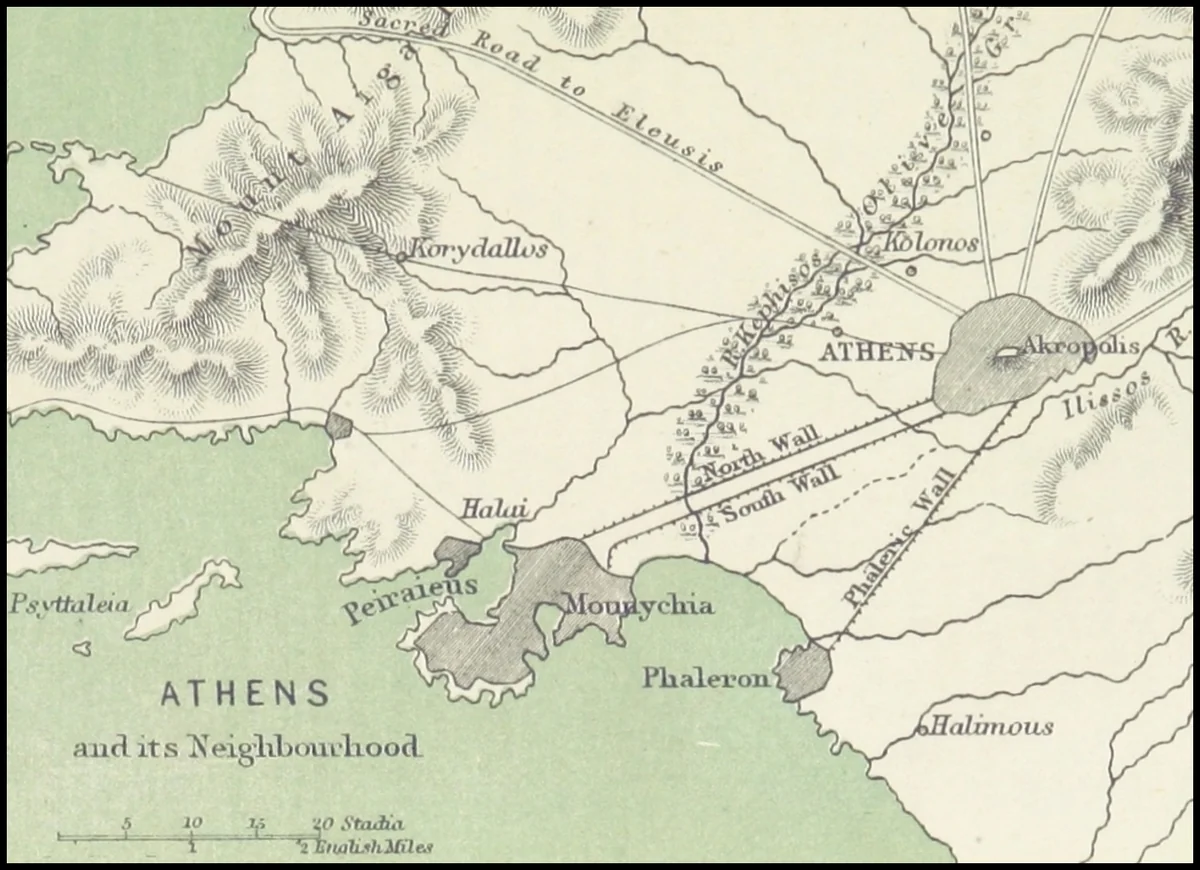
The group came to light in 2016 during construction of the Stavros Niarchos Foundation Cultural Center at the Faliro Delta. The excavation project’s account dates the burial to the second half of the seventh century BCE. It belonged to a much larger coastal cemetery in use for centuries. The three rows and the restraints make this burial unusual even within that cemetery.
Researchers recorded the bones and their positions as well as the iron restraints. The field analysis distinguishes observations that were certain from places where an iron stain or incomplete remains made a conclusion harder. It is the same distinction that matters in What Was Found in the Wandlebury Burial Pit?. Evidence of violence helps explain a burial without identifying everyone involved.
What did the isotope study measure?
The 2026 study led by Julianne R. Stamer compared strontium isotope readings from 66 of the captives with readings from 97 other people buried at Phaleron. Strontium in food and water can leave a signature in teeth and bones. Researchers can compare those readings with local values to see whether an individual’s residential history is consistent with a region.
For 64 of the 66 captives tested, the readings fit the local range, and the group was not significantly different from the wider cemetery on that measure. That makes an entirely foreign group a poorer fit for the evidence. It cannot prove a precise birthplace, citizenship or membership of a political faction. Who Was Buried in the Colchester Vase? follows a separate attempt to interpret isotope evidence from a burial.
Were they followers of Cylon?
Cylon’s failed attempt to seize power in Athens is one possible context. Athina Dimopoulou’s analysis examines that theory alongside the archaeological evidence. The dating puts the men in a period of political conflict and the restraints are consistent with captivity. Neither clue identifies which conflict led to their deaths. The isotopes give researchers evidence about where people lived, rather than a way to match them to a historical account.
Where can visitors see the burial?
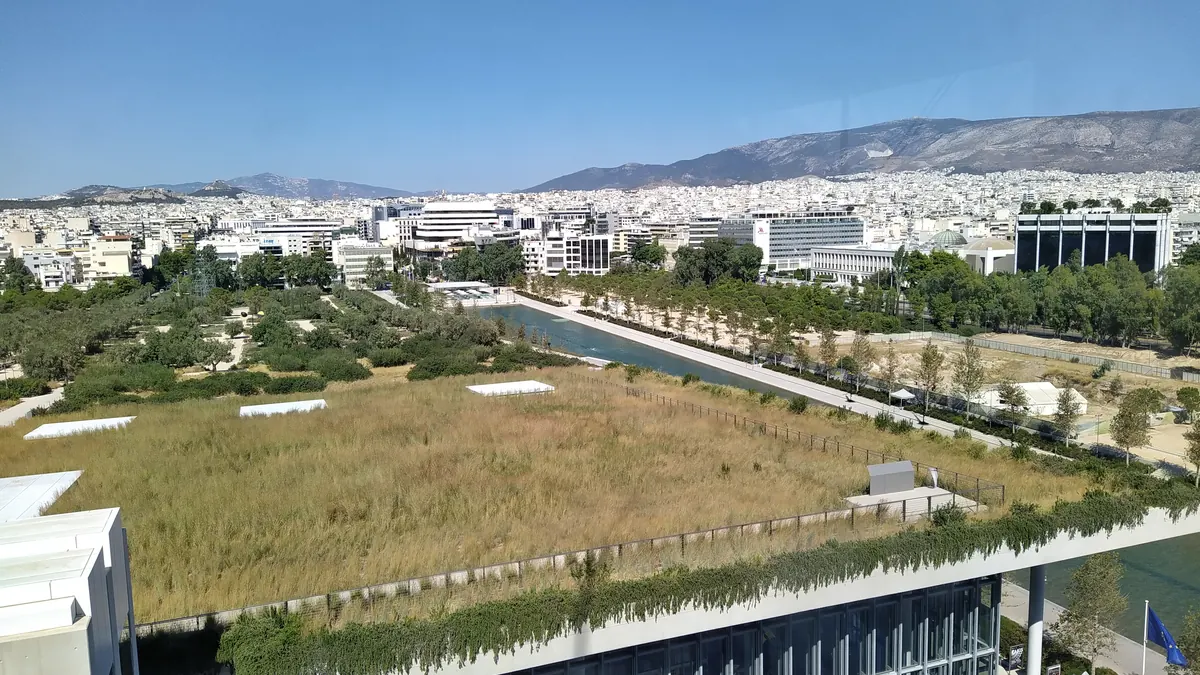
The Greek Ministry of Culture described returning the remains to their original position under a protective enclosure on the Esplanade. The public opening was reported for November 26, 2026, after a handover the previous day. The display is at the Stavros Niarchos Foundation Cultural Center site in Kallithea. The venue photograph above predates the exhibition.
The excavation’s interpretation will remain open to new findings. The Griffin Warrior Tomb: What the Pylos Combat Agate Can Tell Us offers another example of how an ancient Greek burial can reveal details about a person without establishing a name.
Frequently asked questions
How many men were in the Phaleron mass grave?
The three rows studied as the Esplanada burial contained 79 men. The 2026 study tested 66 from that group and found that 64 had isotope readings consistent with Attica.
Does the Phaleron grave prove the Cylon theory?
No. The burial date and the restraints are consistent with political violence in archaic Athens. Neither the excavation nor the isotope study links individual men to Cylon.
Where are the Phaleron Captives displayed?
The enclosure is on the Esplanade at the Stavros Niarchos Foundation Cultural Center site in Kallithea, near the find location at the Faliro Delta.
Sources & further reading
- Stamer et al., 2026 isotope study, Arizona State University research record
- Ingvarsson and Bäckström, bioarchaeological field analysis
- Athanasios and Marina Martinos Foundation, excavation at the Faliron Delta
- Hellenic Ministry of Culture, conservation and return to the Esplanade
- Athina Dimopoulou, historical interpretations of the captive burial
- Iefimerida, November 25 handover and public opening