The Index / Haunted Places
Poveglia Island: The Real History Behind Venice's 'Haunted Plague Island'
Poveglia has a documented Venetian quarantine history. Its global reputation as a haunted asylum island is largely a much newer media narrative.
Topics: Poveglia, Venice, Quarantine History
Paul Colin Hennig / Wikimedia Commons (CC BY-SA 4.0)
Poveglia is a small island in the Venetian Lagoon with a documented history of quarantine and health administration. It is not established as a supernatural site, and the familiar story of a sadistic asylum doctor committing suicide from a bell tower has no reliable historical foundation.
The island lies south of Venice, between the city and Malamocco. Its ruins make an easy visual shorthand for abandonment, but ruins are not a record of paranormal events. Poveglia’s real history is a changing administrative history of settlement, military pressure, quarantine and medical use in a lagoon where controlling disease and movement was a practical necessity.
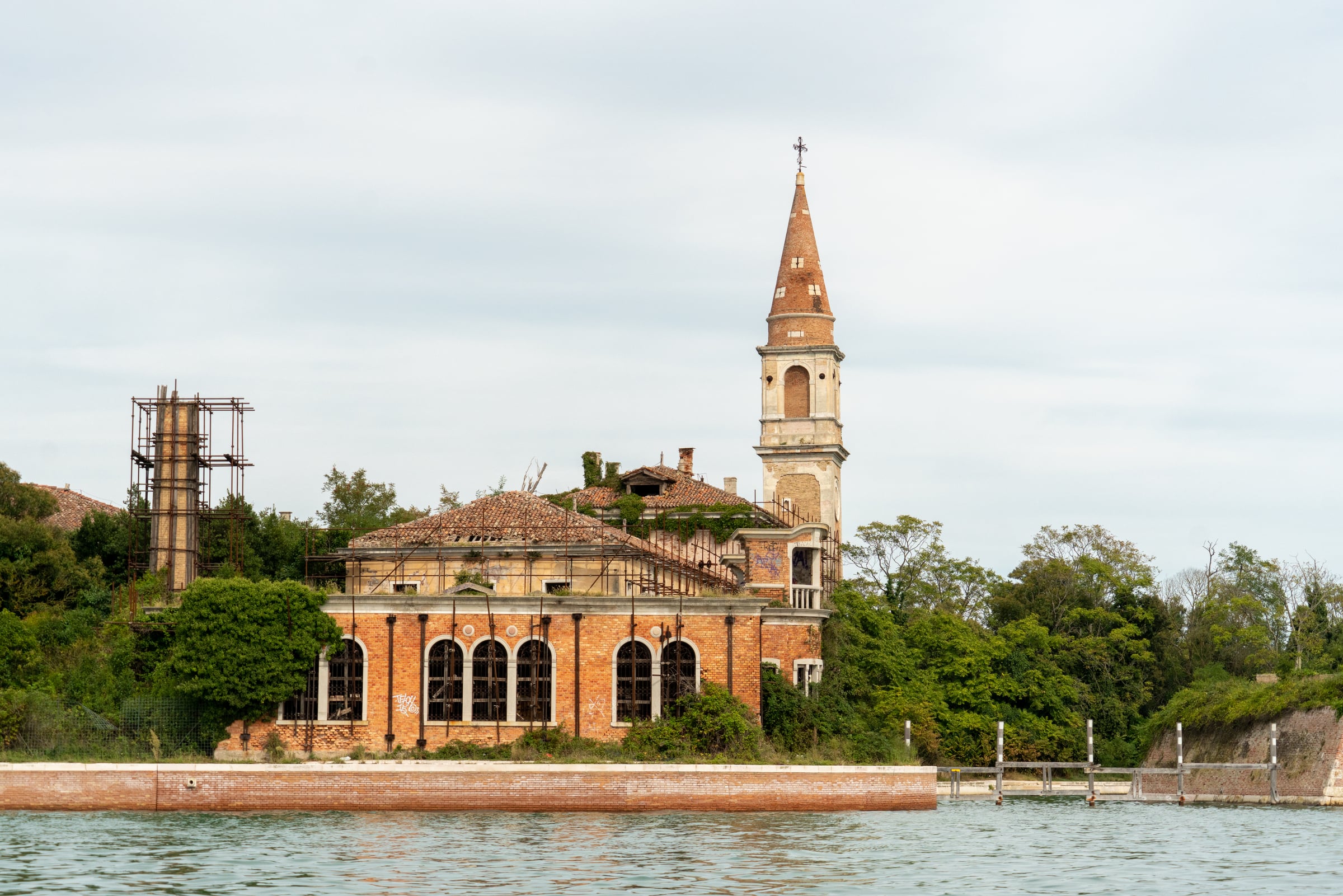
Poveglia’s bell tower and former institutional buildings, photographed from the lagoon in 2024. Source. Paul Colin Hennig / Wikimedia Commons, CC BY-SA 4.0.
The documented island
Italian cultural and state-property records place Poveglia south of Venice, near the route toward Malamocco. Its functions changed over centuries. By the late eighteenth century, the island was assigned to Venice’s health authority and used to control people and goods; it served as a lazaretto when necessary and continued as a maritime quarantine station through the nineteenth century and into the postwar period.
Venice’s quarantine system is often reduced to a grim image of plague islands. In fact, a lazaretto was part of a wider public-health and commercial system: authorities separated people and cargo when disease was suspected, supervised vessels and attempted to limit transmission into the city. Poveglia was one site in that system, rather than a timeless prison for plague victims. Official descriptions identify its later health functions and the successive changes to its buildings; they do not support the viral claim that a precisely known mass of human ash makes up the soil.
Early history is also less dramatic than the online version. Poveglia was inhabited in the medieval period and was affected by the conflicts and migrations that reshaped lagoon settlements. Later uses included military and health administration. A responsible history can acknowledge that plague and quarantine involved death without inventing casualty totals, mass-grave locations or a single catastrophe that explains every ruin on the island.
Those facts are substantial enough without invented casualty totals. Claims that a specific number of plague victims was burned or buried there are regularly repeated online without a demonstrated archival basis. Disease, quarantine and death were part of the island’s history, but they do not authenticate every later horror story.
The visible bell tower is frequently described as an asylum tower. It had earlier ecclesiastical and navigational associations and became part of the island’s later institutional landscape. Treating one structure as proof of a particular legend reverses the evidentiary order: a surviving building can document that there was a building; it cannot, without records, verify a doctor, a suicide or an atrocity attributed to it generations later.
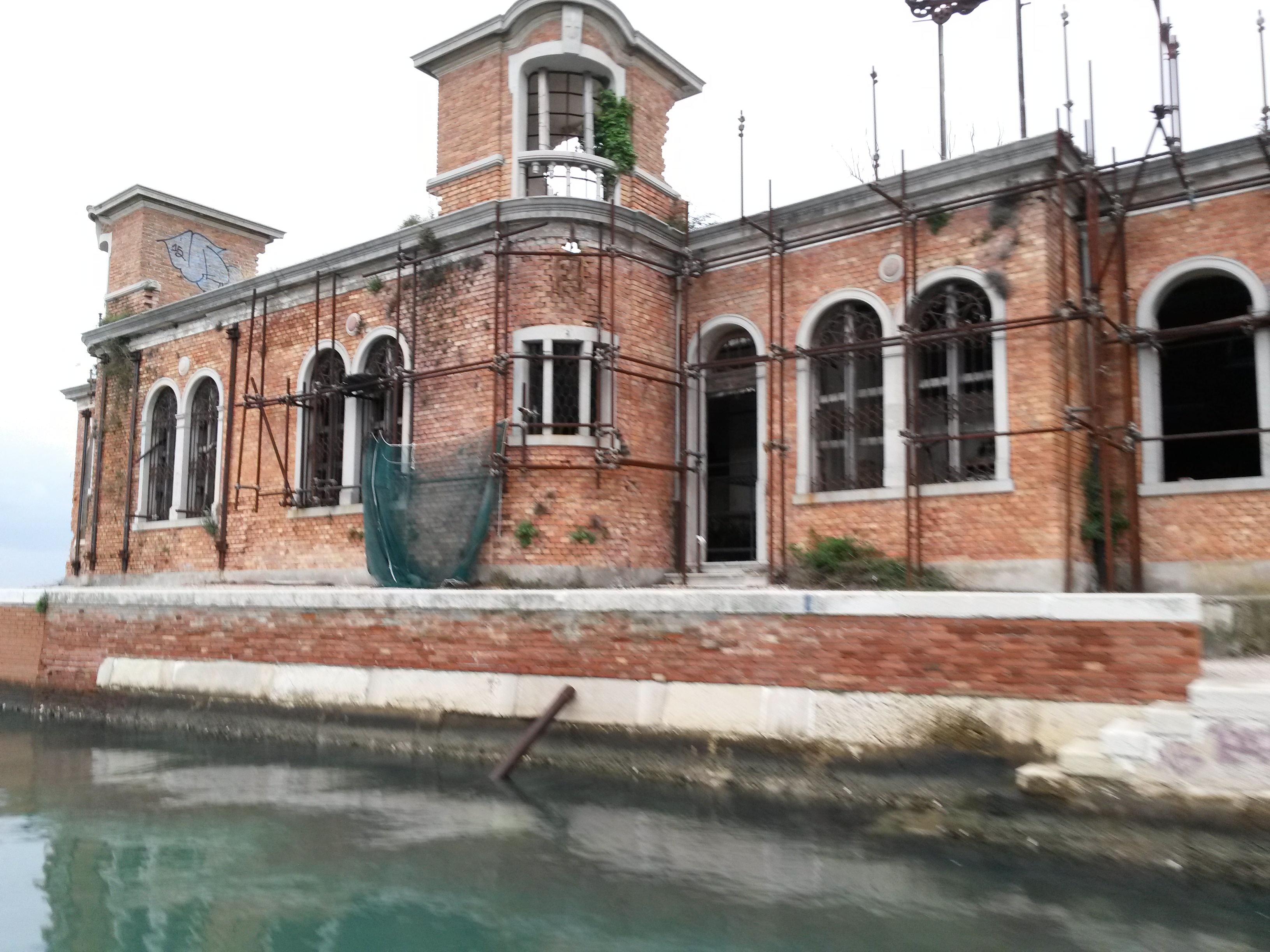
A view of Poveglia Island and its overgrown institutional landscape. Source. Luca.favorido / Wikimedia Commons, CC0.
Hospital use is not proof of an “asylum”
In the nineteenth and twentieth centuries, Poveglia was used by health authorities, including as a quarantine station and later for institutional care. The convenient label “mental asylum” can obscure that chronology and attach modern stigma to every patient or building. Sources differ in their description of particular phases, and sensational websites often collapse them into a single Gothic institution. The careful claim is that the island had documented medical and health-administration uses; it is not that a verified sadistic doctor ran a torture chamber there.
The famous doctor story is a modern legend. Versions say that a physician was driven mad by ghosts, conducted experiments on patients, and threw himself from the tower. No reliable archival source establishes the doctor, the experiments or the suicide. The story has become widespread through paranormal television, travel copy and internet repetition, where its lack of a named, traceable record is often hidden by vivid detail.
Asylum myth and access
Later institutional use is often flattened into “an insane asylum.” That label can obscure changing medical and administrative functions. The alleged doctor, torture chamber and bell-tower suicide appear to be modern legend rather than documented events. Television and paranormal media helped turn Poveglia into an international haunted-place brand.
Modern haunted claims should be described as claims. Visitors and television investigators have reported sensations, sounds and apparent presences; those reports may be meaningful to the people making them, but they do not demonstrate a supernatural cause. Nor do they confirm a fictionalized plague history. Poveglia’s current reputation shows how a place with real quarantine history can be reshaped by visual decay and media storytelling into a much broader horror narrative.
The island is not a place to treat as an adventure destination: access and ownership rules change, and visitors should follow official restrictions rather than trespass. Poveglia’s history belongs alongside the documented-versus-claimed approach used for the Island of the Dolls and the Queen Mary.
Questions readers ask
Was Poveglia a quarantine island? Yes; official records describe health and quarantine functions.
Was there a murderous doctor? No reliable historical record verifies the story.
Is it haunted? That is a modern paranormal claim, not an established fact.



.jpg)
