The Index / Haunted Places
Is the Queen Mary Haunted? The Real Deaths, Ghost Stories, and History of the Famous Ship
The Queen Mary's wartime service, collision with HMS Curacoa and Long Beach afterlife are documented. Its ghosts and Room B340 reputation belong to a different kind of history.
Topics: Queen Mary, Haunted Ships, Long Beach, HMS Curacoa, Ghost Stories
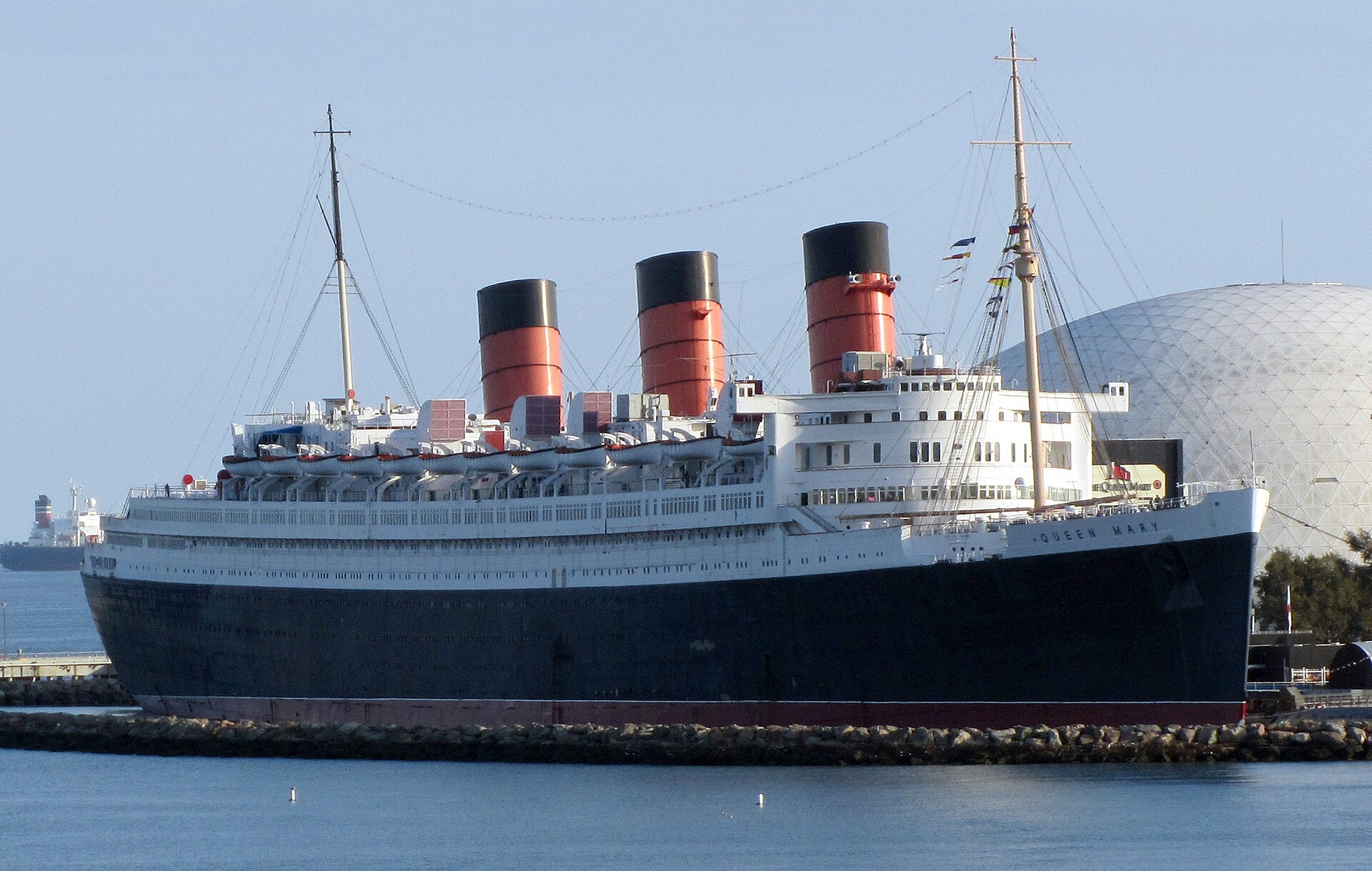
Wikimedia Commons contributor / CC BY 2.0
The Queen Mary does not need ghosts to be a serious historical subject. She crossed the Atlantic as a Cunard liner, carried troops during the Second World War, struck and sank the escort cruiser HMS Curacoa in 1942, then spent decades as a hotel and attraction in Long Beach. Those events have left enough loss, memory and tourism around the ship to make supernatural stories almost inevitable.
A Ship With a Documented Past
Launched in 1934, the Queen Mary entered regular transatlantic service in 1936. During the war she was stripped for troop transport and painted grey, a change behind the “Grey Ghost” nickname.
On October 2, 1942, while performing a zig-zag anti-submarine maneuver in a Royal Navy convoy north of Ireland, the Queen Mary struck the escort cruiser HMS Curacoa amidships at full speed. The two ships’ commanders had conflicting expectations about which vessel should give way, and the Queen Mary was under orders not to stop or break formation for an escort, since a stationary liner made an easy U-boat target — so she continued on with a damaged bow. Curacoa was cut in half; her stern sank almost immediately. Of her crew, 337 officers and men were killed and about 101 survived. It remains one of the deadliest incidents connected to the ship’s history, and wartime secrecy kept it out of public reporting at the time — a delay that later left the disaster to circulate first as rumor rather than record.
The liner returned to passenger service after the war. The City of Long Beach purchased her in 1967; she left Southampton for the last time that October and was permanently moored at Long Beach, opening to the public as a hotel and attraction in 1971. The retired vessel’s documented history and its marketing history as a “haunted ship” are not the same thing, and the decades between 1967 and today are when almost all of the specific ghost claims below were first recorded.
The Ghost Stories
Door 13 in the engine-room area is associated with a crewman said to have been crushed there. Swimming-pool stories describe women or children in spaces where visitors now expect a haunting. Room B340 is marketed as unusually active. These reports are part of the ship’s contemporary paranormal tradition, but no public record establishes a ghost as their cause.
The “Jackie” story is a useful test. Versions describe a child drowned in a pool, but researchers and visitors have not produced a matching, reliable death record. Absence of a record does not prove a story was invented at one moment; it does mean the tale should not be narrated as solved ship history.
Claims that “hundreds of people died aboard” the liner often blur three separate things: the 337 sailors who died on HMS Curacoa — a different ship, sunk alongside the Queen Mary rather than on it — ordinary deaths and illnesses over three decades of passenger and wartime service, and a small number of specific incidents (a pool drowning, a crew injury) that ghost tours attach to particular rooms. Folding all of that into one round number is an emotionally effective total, not a historically careful one.
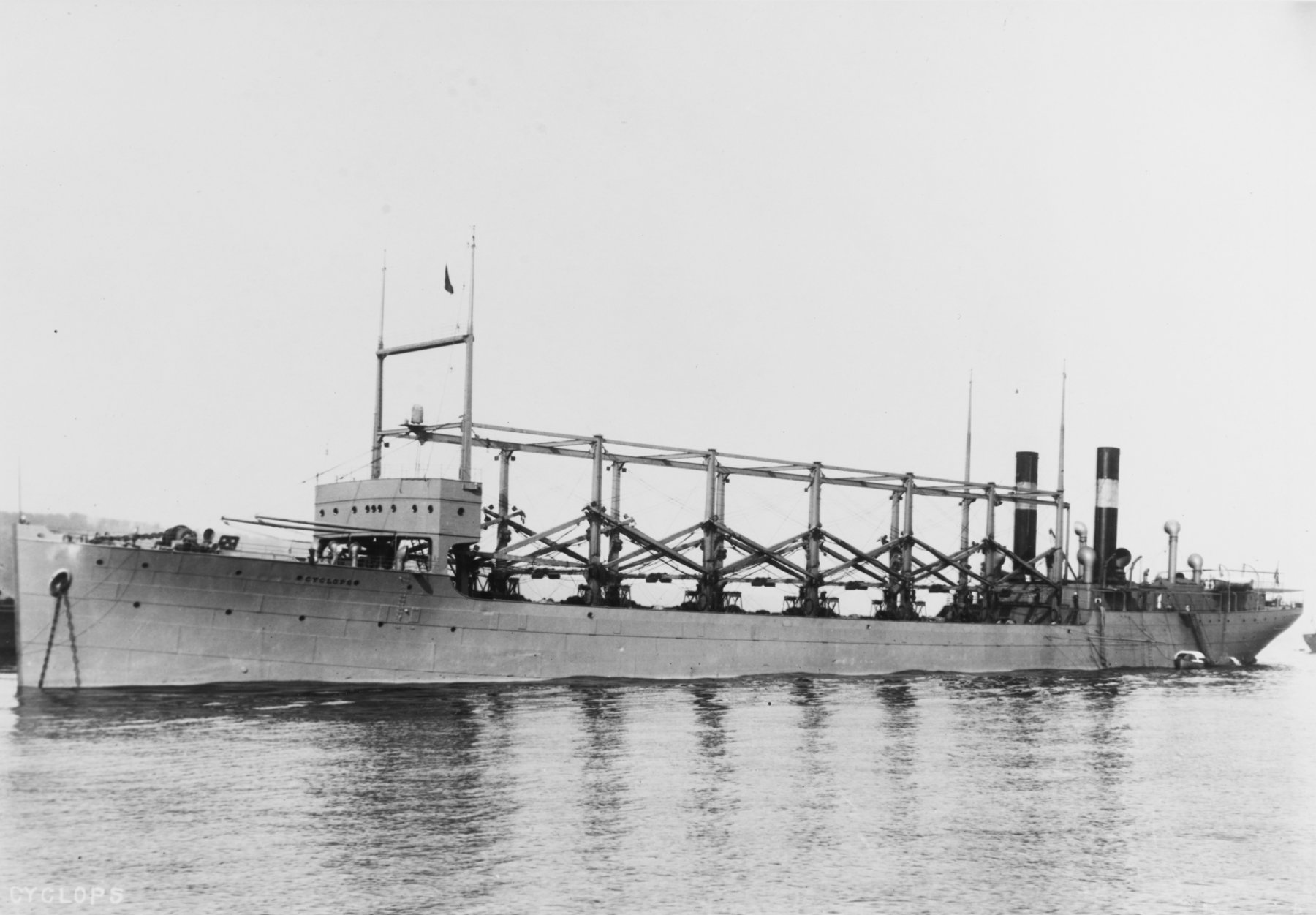
A different ship, included as context for how maritime disaster becomes legend; it is not connected to the Queen Mary. U.S. Navy / Public Domain via Wikimedia Commons.
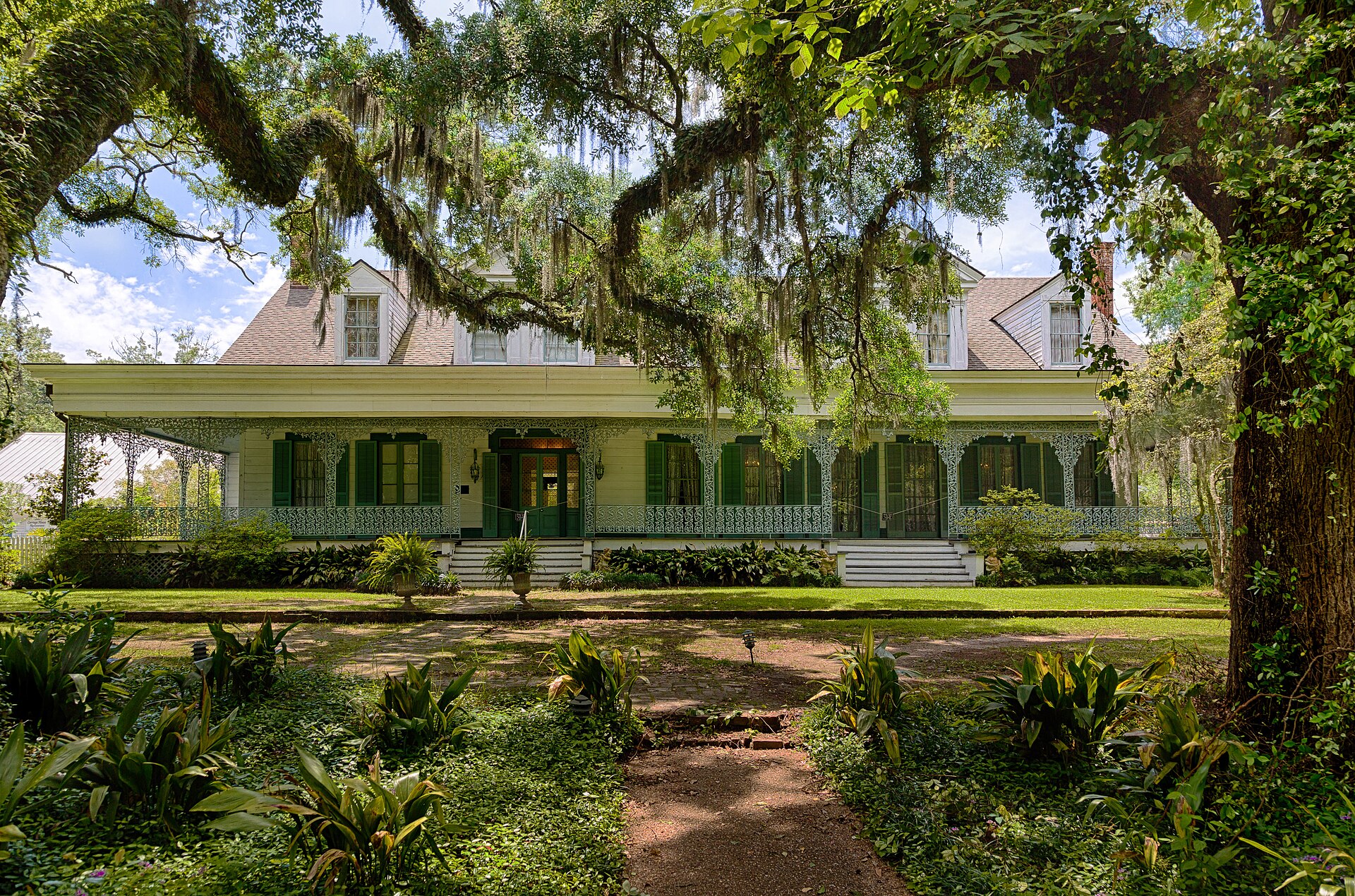
The ship’s appeal sits between history and performance. Like the Stanley Hotel and the Myrtles Plantation, it is a real place whose commercial ghost identity grew around a much larger documented past — in the Queen Mary’s case, a genuine wartime tragedy that predates any of its haunted-attraction marketing by decades.
Frequently Asked Questions
Did the Queen Mary sink HMS Curacoa? Yes. On October 2, 1942, the Queen Mary struck the cruiser while performing a standing anti-submarine maneuver and could not stop to help under wartime orders. Curacoa sank within minutes; 337 of her crew were killed and about 101 survived.
Is Room B340 proven haunted? No. It has a reputation and a tourism history dating to after the ship’s 1971 opening as a hotel, not verifiable proof of paranormal activity.
When did the Queen Mary become a tourist attraction? The City of Long Beach bought the retired liner in 1967 and opened it to the public as a hotel and attraction in 1971. Almost all of its specific ghost stories, including Room B340 and the “Jackie” pool legend, are attributed to this post-1971 period rather than to the ship’s working decades.