The Index / Haunted Places
The Myrtles Plantation: The Real History Behind America's Famous Haunted-House Legends
The Myrtles Plantation has a real history of slavery, family loss and William Winter's 1871 murder. The Chloe tale and 'ten murders' claim are much less securely documented.
Topics: Myrtles Plantation, Louisiana History, Haunted Houses, Slavery, St. Francisville
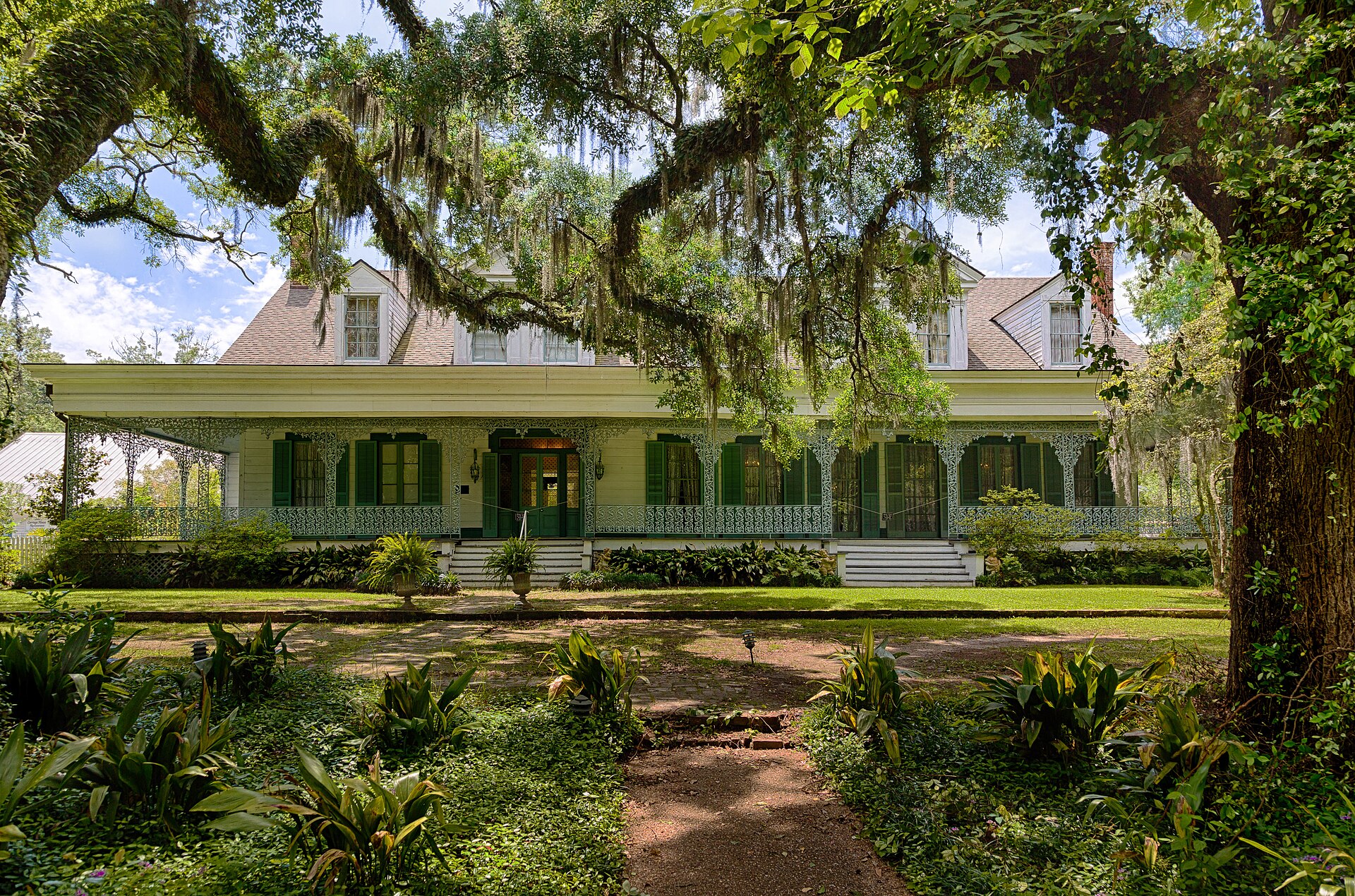
Wikimedia Commons contributor / CC BY-SA 3.0
The Myrtles Plantation in St. Francisville is often advertised as one of America’s most haunted houses. That label can make its real history disappear behind a catalog of ghosts. The property was built and sustained through slavery; it passed through several families; a documented yellow fever outbreak killed three of its residents in the 1820s; and a man named William Winter was shot dead on its porch in 1871. Those facts deserve more care than an origin story designed for a ghost tour.
What the Records Support
David Bradford built the property in 1796 on land in Spanish West Florida, originally naming it Laurel Grove. He had fled to the area after his role in Pennsylvania’s Whiskey Rebellion; a presidential pardon from John Adams in 1799 let him return openly, and his wife Elizabeth and their children joined him there. After his death, Elizabeth Bradford continued running the plantation.
Federal census records document who actually lived and worked there: the household held 5 enslaved people in 1820 and 32 by 1830. That is not background texture for a haunting. It is the plantation’s central and undisputed history, and it is worth stating in those terms before any ghost story enters the discussion.
In 1817, Bradford’s daughter Sara Mathilda married Clarke Woodruff, who took over management of the property. The Woodruffs had three children: Cornelia Gale, James and Mary Octavia. Between 1823 and 1824, a yellow fever outbreak killed Sara Mathilda and two of the three children, Cornelia and James. Mary Octavia survived into adulthood. Ruffin Gray Stirling and his wife Mary Catherine Cobb bought the plantation in 1834, remodeled it extensively, and gave it the name it carries today, The Myrtles. The property was listed on the National Register of Historic Places in 1978.
William Winter, a lawyer connected to the Stirling family by marriage, was shot on the front porch on January 26, 1871, by an unidentified gunman possibly named E. S. Webber; contemporary accounts describe him dying inside the house shortly after. Several men were arrested that May, but no one was convicted. He is the one documented murder linked to the property. The oft-repeated claim that “ten murders” occurred inside the house does not match the surviving historical record, which documents disease, one killing, and ordinary deaths in a household that, like most of its era, also buried children young — Winter’s own daughter Kate reportedly died of typhoid at age three.
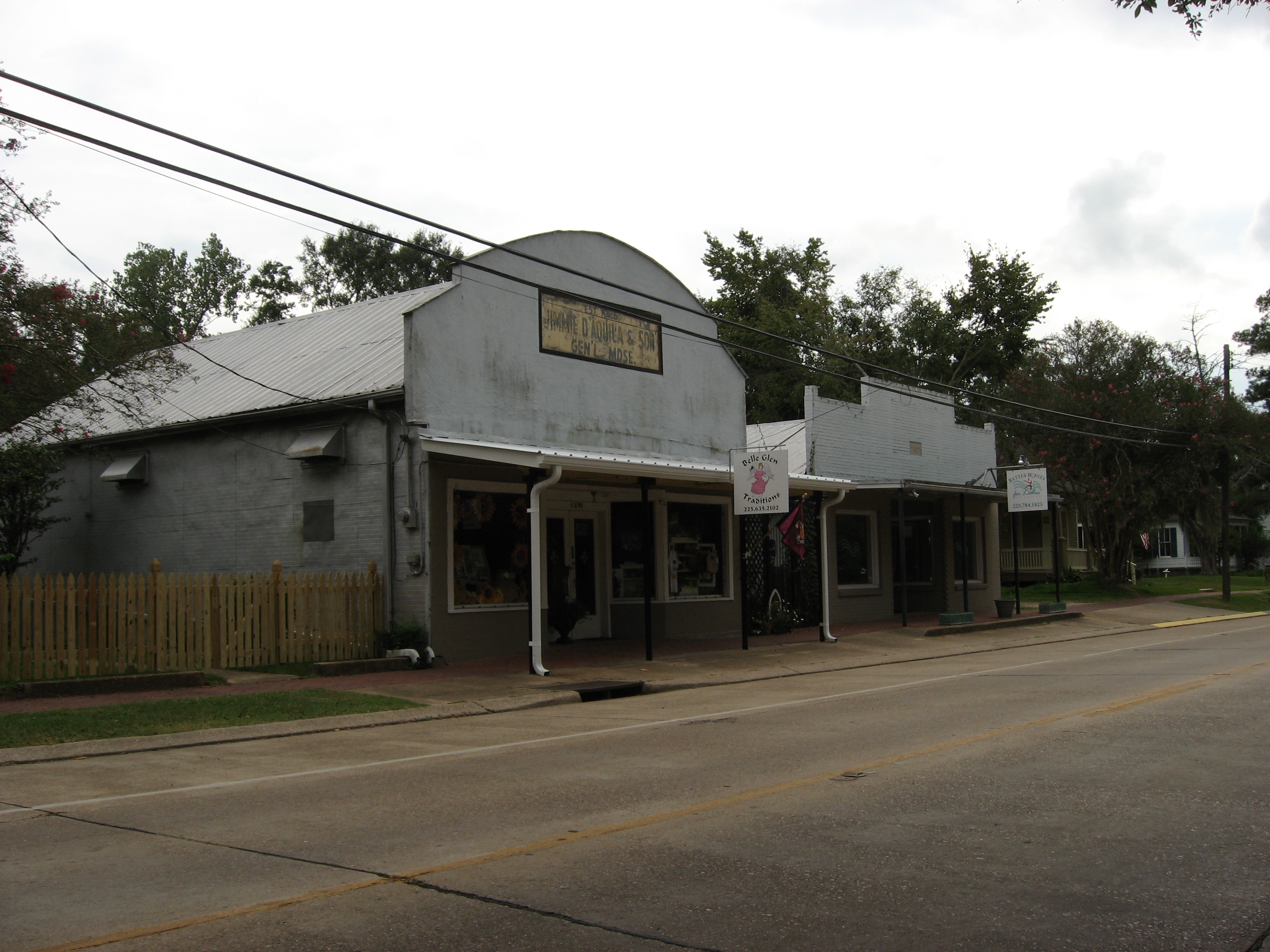
St. Francisville, Louisiana, the small town nearest the plantation. CC BY-SA 2.0, Wikimedia Commons.
Chloe, the Cake and the Photograph
The best-known legend says an enslaved woman named Chloe was abused, had an ear cut off, poisoned a birthday cake, killed Woodruff children and was hanged by other enslaved people. No record in the Woodruff family papers or period census documents names an enslaved woman called Chloe or Cloe, and the deaths the story blames on poison are the same yellow fever deaths of Sara, Cornelia and James described above — deaths a physician of the period would have recognized as an epidemic disease, not a poisoning. The legend appears to have grown up around a real family tragedy rather than documenting a separate, hidden crime.
The “ghost photograph” promoted as Chloe likewise has a known mundane starting point: an image taken by a visitor and later interpreted as a figure. It is a claim about how a photograph was read, not proof of a dead person.
The property’s modern reputation was built largely through television, not archival research: it was featured on Unsolved Mysteries in 2001 and Ghost Hunters in 2005, both of which presented the Chloe story and similar claims as active investigations rather than tracing them to a documentary source. Ghost stories can be culturally significant as an example of how slavery-era trauma gets refashioned into entertainment, without that make them archival fact. The Myrtles’ mirror legend, Civil War tales and stairway accounts should be labeled as stories. The documented history already includes slavery, an epidemic that killed three family members, and an unsolved shooting.
For other sites where tourism and a real building’s past pull in different directions, see the Winchester Mystery House and the Stanley Hotel.
Frequently Asked Questions
Was Chloe a real person at the Myrtles? No reliable record has confirmed the Chloe story as told in ghost-tour accounts. Census and family records don’t show an enslaved woman by that name, and the deaths the story attributes to her poisoning are documented elsewhere as yellow fever.
Were ten people murdered there? No. The figure is a legend, not a supported historical total. The one documented murder at the property is William Winter’s shooting in 1871, which was never solved.
What actually killed Sara Woodruff and her children? Yellow fever, during an outbreak in 1823–1824, according to family and historical records — not poison. Two of Sara’s three children, Cornelia and James, died with her; the third, Mary Octavia, survived to adulthood.
When did the haunted reputation start? The stories predate national television coverage, but the property’s modern fame is closely tied to its appearances on Unsolved Mysteries (2001) and Ghost Hunters (2005).