The Index / Paranormal
The Stanley Hotel and The Shining: The Real History Behind Stephen King's Haunted-Hotel Inspiration
Stephen King really did stay in Room 217 in 1974 and have a nightmare that became The Shining. Kubrick's film wasn't shot there at all — Timberline Lodge was.
Topics: Stanley Hotel, The Shining, Stephen King, Haunted Hotel, Paranormal
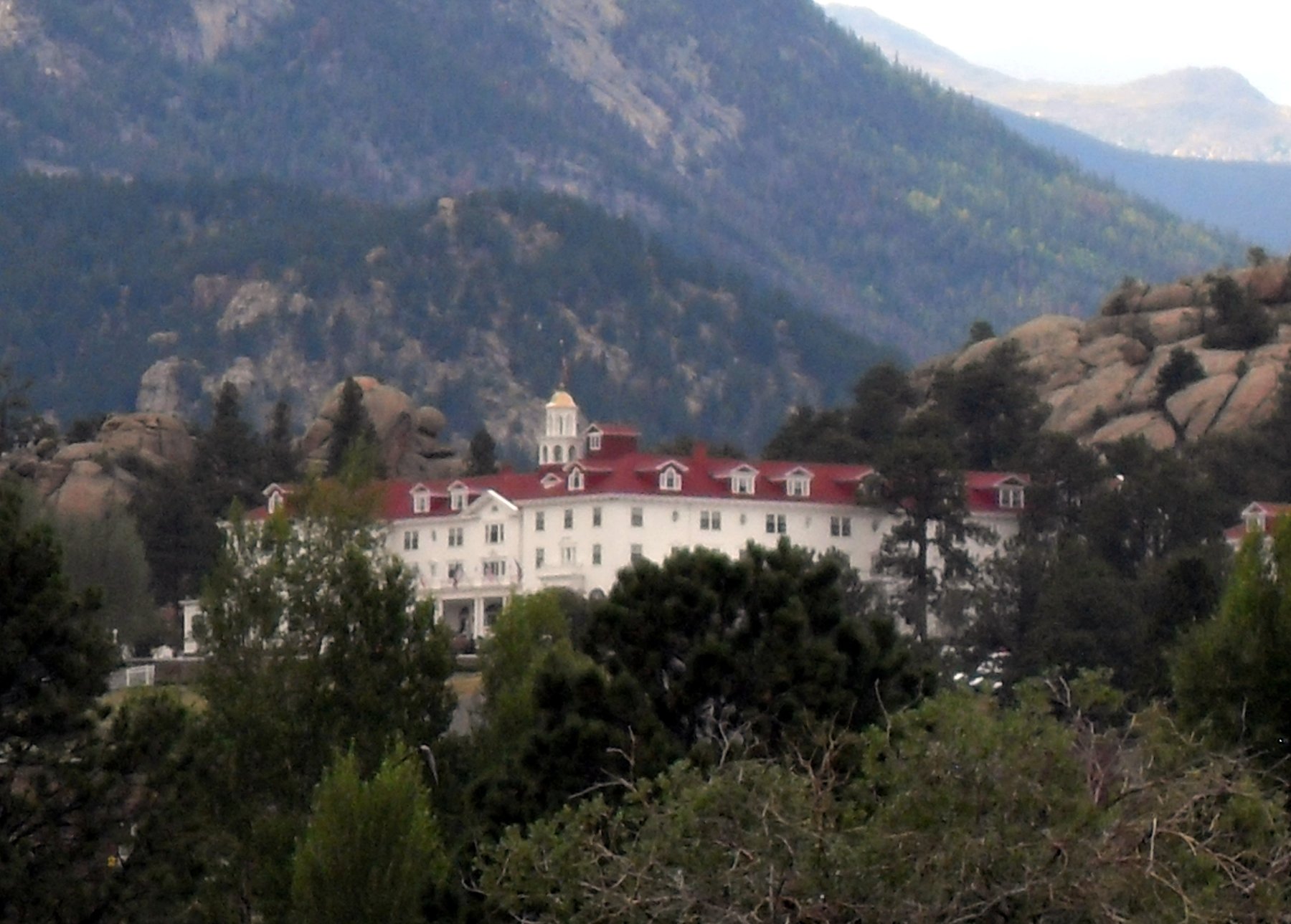
Renoman58, Wikimedia Commons (CC BY-SA 3.0)
Stephen King really did check into the Stanley Hotel in Estes Park, Colorado, in the fall of 1974, and he really did have a vivid nightmare there that became the seed of The Shining. Almost everything else people assume about the Stanley’s connection to the story people know best — Stanley Kubrick’s 1980 film — is wrong. Kubrick never filmed there at all.
F.O. Stanley and the Hotel He Built
Freelan Oscar Stanley, co-inventor with his twin brother of the Stanley Steamer steam-powered automobile, was diagnosed with tuberculosis in 1903 and told by doctors he likely had only months to live. Seeking the region’s reputed curative mountain air, he traveled to Estes Park, Colorado, and experienced what his own account describes as a dramatic recovery — putting on nearly 30 pounds over a single summer, with his cough largely resolving, to the point that his doctor pronounced him cured by season’s end. Convinced of the area’s health benefits and drawn to its natural beauty, Stanley began construction of a grand hotel there in 1907, opening the Stanley Hotel on July 4, 1909, as both an upscale resort for wealthy Eastern travelers and a wellness retreat aimed specifically at people managing pulmonary tuberculosis, as he had. The hotel’s early success helped establish Estes Park as a destination, a role reinforced when neighboring Rocky Mountain National Park was established in 1915.
Room 217 and Elizabeth Wilson
The hotel’s most famous specific room has a genuinely documented, non-supernatural origin story behind its reputation. In 1917, head chambermaid Elizabeth Wilson entered what’s now Room 217 carrying a lit candle or lantern amid a storm-related power concern, and an undetected gas leak in the room ignited, causing a serious explosion that destroyed roughly ten percent of the hotel’s structure, including a substantial section of the west wing. Wilson fell through the collapsing floor into the dining room below and suffered two broken ankles; F.O. Stanley covered her medical expenses, and after recovering she was promoted to head chambermaid, continuing to work at the hotel until her death in the 1950s. The ghost stories that later attached to Room 217 — Wilson’s spirit supposedly tidying guests’ belongings, or reportedly intervening in unmarried couples’ stays — developed as folklore around this real, documented workplace accident, not as an account of a death at the hotel; Wilson survived the explosion by decades.
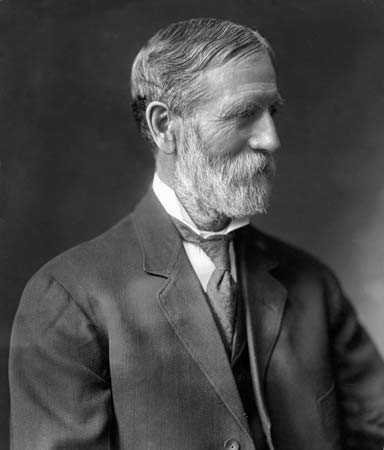
Freelan Oscar Stanley, photographed around 1910, a year after his hotel opened. Source. Public Domain.
Stephen and Tabitha King’s 1974 Stay
Stephen and Tabitha King checked into the Stanley Hotel in the fall of 1974, arriving on what turned out to be nearly the last night of the hotel’s operating season before its seasonal winter closure. According to King’s own later accounts, they found themselves practically the only overnight guests in the enormous, largely emptied-out building, staffed by a skeleton crew — an atmosphere he’s described as directly unsettling in itself, independent of anything supernatural. King has said a vivid nightmare he had that night, involving his young son being chased through the hotel’s long corridors by a menacing, animated fire hose, gave him the seed of the story that became The Shining, published in 1977. King has been consistent and specific in his own retellings about the hotel’s atmosphere and that particular nightmare as his direct inspiration — this part of the story rests on the author’s own repeated firsthand account, not secondhand legend.
Kubrick’s Film Was Not Shot at the Stanley
This is the correction most worth making clearly, because the association runs the opposite direction from what most people assume. Stanley Kubrick’s 1980 film adaptation has essentially no production connection to the actual Stanley Hotel. The exterior shots representing the fictional Overlook Hotel were filmed at Timberline Lodge on Mount Hood in Oregon, while the film’s extensive interior sets were built and shot at Elstree Studios outside London. Kubrick’s Overlook and the real Stanley share a source of inspiration — King’s novel — but the two buildings never appear together in the finished film, and the Stanley itself has no location-shooting connection to the most famous adaptation of the story it helped inspire.
The 1997 Miniseries: Filmed at the Actual Hotel
The production that does have a direct filming connection to the real Stanley Hotel is less widely remembered: a 1997 television miniseries adaptation of The Shining, directed by Mick Garris from a screenplay written by King himself. King has been open that he pursued this version largely out of dissatisfaction with how far Kubrick’s film had departed from his novel, and he was closely involved in the production, reportedly present for the majority of the shoot. This miniseries was filmed on location at the Stanley Hotel, using it for both exterior shots and as the model for its interior set design — making it, not the far more famous Kubrick film, the actual screen production genuinely shot at the hotel that inspired the story.
Piano Music, Apparitions, and Other Claims
Beyond the documented Room 217 explosion, the Stanley has accumulated a broader set of paranormal claims over the decades: reports of unexplained piano music, apparitions glimpsed in hallways and the ballroom, and other typical haunted-hotel experiences reported by guests and staff. These are worth treating explicitly as claims and folklore rather than documented history — they’re witness accounts and hotel-tour material, not independently verified phenomena, and the site’s genuinely dramatic real history (a health-retreat origin, a real workplace explosion, a famous author’s real stay and real nightmare) doesn’t require supernatural embellishment to be a legitimately interesting American hotel history.
Ghost-Tour Culture and Modern Marketing
The Stanley has leaned into its Shining association and haunted reputation as a significant part of its modern identity, offering ghost tours, hosting Shining-themed events, and drawing visitors specifically interested in the hotel’s paranormal reputation alongside its more conventional appeal as a historic mountain resort. That’s a documented business and marketing reality distinct from the question of whether the underlying paranormal claims are true — the same pattern that shows up at other Morbid Index sites like the Winchester Mystery House, where a real, well-documented history and a marketed haunted reputation exist side by side without being the same thing.
Frequently Asked Questions
Is the Stanley Hotel haunted? That’s a claim, not a documented fact. The hotel has a real, well-documented history including a serious 1917 gas explosion, and a range of separate paranormal claims that aren’t independently verified.
Did Stephen King really stay at the Stanley Hotel? Yes. King and his wife stayed there in the fall of 1974, and King has consistently described a nightmare from that stay as the direct inspiration for The Shining.
What happened in Room 217? A gas explosion in 1917 injured chambermaid Elizabeth Wilson, who survived, recovered, and continued working at the hotel for decades afterward — not a death, despite how the room’s reputation is sometimes framed.
Was Kubrick’s The Shining filmed at the Stanley Hotel? No. Kubrick filmed the exteriors at Timberline Lodge in Oregon and the interiors at Elstree Studios in England. The Stanley Hotel itself has no location-filming connection to Kubrick’s film.
Which Shining adaptation was actually filmed at the Stanley Hotel? The 1997 television miniseries, directed by Mick Garris from a screenplay Stephen King wrote himself, filmed on location at the real hotel.
Who built the Stanley Hotel and why? F.O. Stanley, co-inventor of the Stanley Steamer automobile, built it after recovering from tuberculosis in the Estes Park area, opening it in 1909 partly as a health retreat for others with the same condition.
Are the Stanley Hotel’s other ghost stories documented history? No. Reports of piano music, apparitions, and similar phenomena are guest and staff claims and hotel-tour folklore, not independently verified events.