The Index / Paranormal
The Bell Witch Explained: The Tennessee Haunting, Betsy Bell, and What the Records Actually Say
The Bell Witch story wasn't written down until 1894, seventy-plus years after it supposedly happened. Here's what the earliest sources actually support.
Topics: Bell Witch, Adams Tennessee, Betsy Bell, Haunting, Paranormal
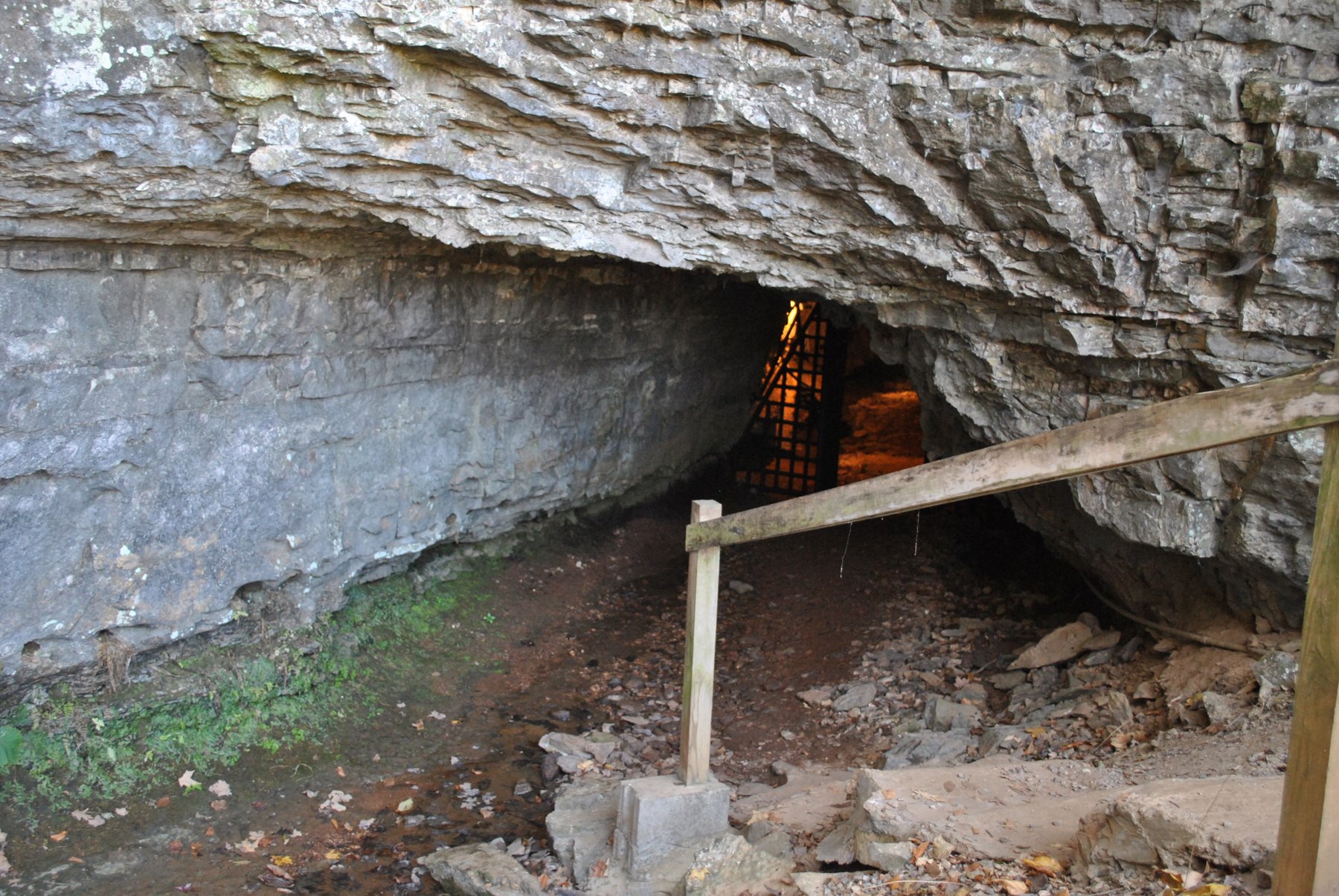
Www78, Wikimedia Commons (CC BY-SA 3.0)
The Bell Witch is often called one of America’s best-documented hauntings. It’s worth being precise about what that claim actually rests on: the earliest known written account of the story dates to 1886, and the first detailed, book-length version wasn’t published until 1894 — nearly eighty years after the events it describes supposedly began in 1817. No contemporary newspaper, court record, or church document from the 1817-1821 period has ever surfaced describing anything unusual happening at the Bell farm. That gap between the alleged events and the first written record is the single most important fact for understanding what kind of case this actually is.
The Bell Family and Robertson County
John Bell moved his family to a farm near the Red River in what’s now Robertson County, Tennessee, settling in the area around 1804. According to the traditional account, strange phenomena began around 1817: knocking and scratching sounds in the walls, disturbed bedding, and reports of an unusual animal on the property that John Bell reportedly shot at without effect. The disturbances are said to have escalated over the following years into physical harassment — pinching, slapping, hair-pulling — directed primarily at Bell’s daughter Betsy and at John Bell himself, along with a voice that eventually began speaking clearly and identified itself as “Kate.”
When the Story Was Actually Written Down
This is where the case gets genuinely interesting from a sourcing standpoint, and where popular retellings tend to skip past the most important detail. Historical researchers, including work compiled by regional skeptical investigators, have combed newspaper archives, county court records, and church records from Robertson County covering the alleged haunting period and found no contemporary mention of anything unusual happening at the Bell farm. The earliest identifiable reference to the story in print appears in Albert Goodspeed’s 1886 History of Tennessee, which treats the account as an example of regional folk superstition rather than documented fact — itself a full 65 years after John Bell’s 1820 death.
The detailed version most people know today comes from M.V. Ingram’s 1894 book, An Authenticated History of the Bell Witch, which Ingram claimed was substantially based on a diary or manuscript written by Richard Williams Bell, one of John Bell’s sons, titled “Our Family Trouble.” There’s a serious problem with that sourcing chain: Richard Williams Bell was reportedly around six years old when the haunting is said to have begun in 1817, and by his own account didn’t write his manuscript down until roughly 1846 — closer to thirty years after the events he was describing from early childhood memory. The original manuscript itself has never been located or independently verified to exist. Skeptical investigator Joe Nickell, writing for the Committee for Skeptical Inquiry, has argued it’s more likely that Ingram wrote the “diary” material himself for the 1894 book than that a genuine, independently verifiable childhood-era Bell family manuscript survived and was faithfully transcribed decades later.
Kate Batts and the Witch Identity
The entity’s claimed identity as “Kate,” later expanded in retellings into a specific historical figure named Kate Batts, a neighbor of the Bell family supposedly involved in a land or financial dispute with John Bell, is itself part of the story’s later elaboration rather than a detail with independent period documentation. As with the rest of the case, the specific “Kate Batts” backstory comes through Ingram’s 1894 account and later retellings built on top of it, not through a contemporary record naming a real, identifiable local dispute that can be independently verified from 1817-era Robertson County documents.
The Andrew Jackson Visit: Almost Certainly Invented
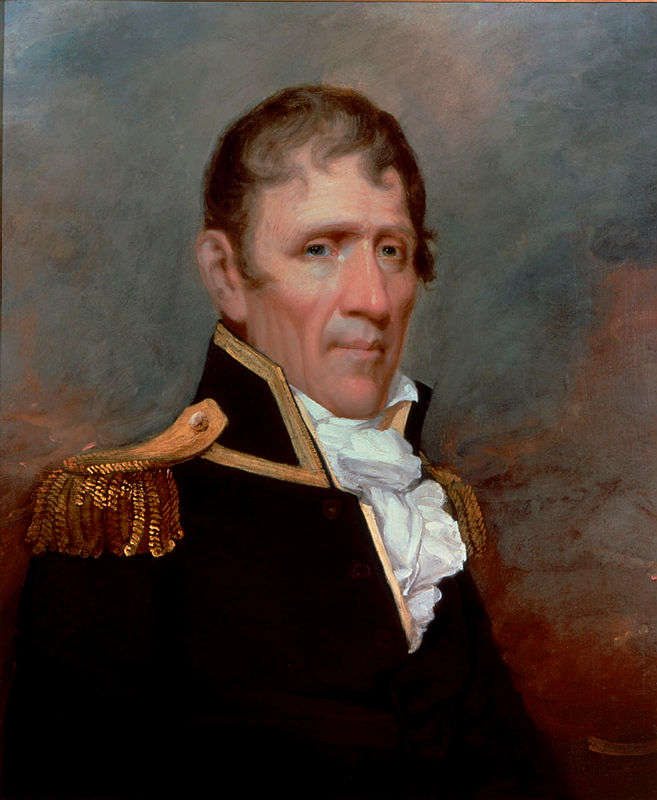
Andrew Jackson, painted circa 1817 — the same period the legend claims he visited the Bell farm. No mention of such a trip appears anywhere in his extensive personal papers. Public domain, via Wikimedia Commons.
The most famous single detail attached to the legend — that Andrew Jackson personally visited the Bell farm with an entourage and experienced the entity’s harassment firsthand before fleeing — has no supporting evidence in Jackson’s own extensive personal papers, diaries, or correspondence, none of which mention any such visit. Given how thoroughly documented Jackson’s movements and activities are for this period of his life, and how notable a visit like this would have been for him to record or for a companion to have written about afterward, the absence of any corroborating trace is a serious problem for the claim rather than a minor gap. This detail should be treated as a later addition to the legend, not established history, regardless of how frequently it’s repeated as though it were fact.
What Was Documented Close to the Period, Versus Decades Later
It’s worth stating plainly what the actual evidentiary situation is: nothing verifiably written during or shortly after 1817-1821 survives to document the Bell Witch haunting. What exists is a chain of retellings that starts in print in 1886, expands dramatically in 1894 through a book whose core source document has never been independently verified, and continues to accumulate detail (Kate Batts’s specific backstory, the Andrew Jackson visit, precise dialogue attributed to the entity) through later 19th- and 20th-century tellings. That doesn’t mean the Bell family didn’t genuinely experience something distressing during this period — families do experience real frightening events, illness, and unexplained phenomena that later become folklore — but it does mean the version most people encounter today, with its specific named witch and celebrity cameo, is a substantially elaborated legend rather than a faithfully preserved contemporary record.
Possible Natural and Social Explanations
Without a reliable, contemporary primary source describing exactly what the Bell family experienced, it’s difficult to assign a specific mundane cause with confidence — that’s a limitation of the evidence itself, not a gap this article can responsibly fill in with speculation. What can be said is that the pattern the legend describes (a family, and specifically a teenage daughter, at the center of escalating disturbances that a community comes to interpret through a supernatural framework) recurs across many later, better-documented poltergeist cases, where investigators have identified factors ranging from family stress and attention-seeking behavior to outright fabrication as the underlying dynamic. Whether any of those dynamics applies to the Bell family specifically is unknowable given how thin and how late the surviving documentation actually is.
Bell Witch Cave and Modern Tourism
The cave now marketed as Bell Witch Cave, located on what was part of the historical Bell farm property near Adams, Tennessee, has become a genuine tourist attraction, offering guided tours built around the legend. Its modern prominence is a product of 20th-century tourism development building on the Ingram-era legend, not evidence in itself of the underlying haunting claims — a distinction worth keeping clear the same way it’s worth separating the Conjuring House’s modern tour-venue status from the historical claims attached to that property.
Frequently Asked Questions
Is the Bell Witch story true? There’s no contemporary documentation from the 1817-1821 period the haunting is said to have occurred in. The earliest known written account dates to 1886, and the detailed version most people know comes from an 1894 book with unverifiable primary sourcing.
Did Andrew Jackson really visit the Bell farm? Almost certainly not as described. No mention of such a visit appears in Jackson’s extensive personal papers or correspondence, despite how notable an experience like the one described would have been to record.
Who was Kate Batts? A neighbor of the Bell family the entity is said to have identified as. The specific backstory connecting her to the haunting comes through the 1894 Ingram book rather than independently verified contemporary records.
How did John Bell die? He died in December 1820. The legend attributes his death to the entity, but no contemporary medical record survives to independently confirm or rule out an ordinary cause.
Where did the Bell Witch story come from originally? The earliest identifiable written reference is an 1886 regional history that treats it as folk superstition; the detailed narrative comes from M.V. Ingram’s 1894 book, based on a claimed but never independently verified Bell family manuscript.
Is Bell Witch Cave the actual haunted site? It’s located on what was historically part of the Bell farm property and is now operated as a tourist attraction built around the legend, developed well after the alleged 19th-century events.
Why do skeptics doubt the Richard Williams Bell manuscript? Richard was reportedly around six years old when the haunting allegedly began, didn’t write his account until roughly three decades later, and the original manuscript has never been located or independently authenticated.