Lore & Explained / Demons & Occult
Zozo Explained: The Ouija Board Demon's Modern Origins
Zozo, the entity many Ouija users now claim to encounter, is traceable to a single 2009 internet forum post. The claimed centuries-old precedent for the name is disputed even in its own original source.
Topics: Zozo, Ouija Board, Demons & Occult, Internet Folklore, Paranormal
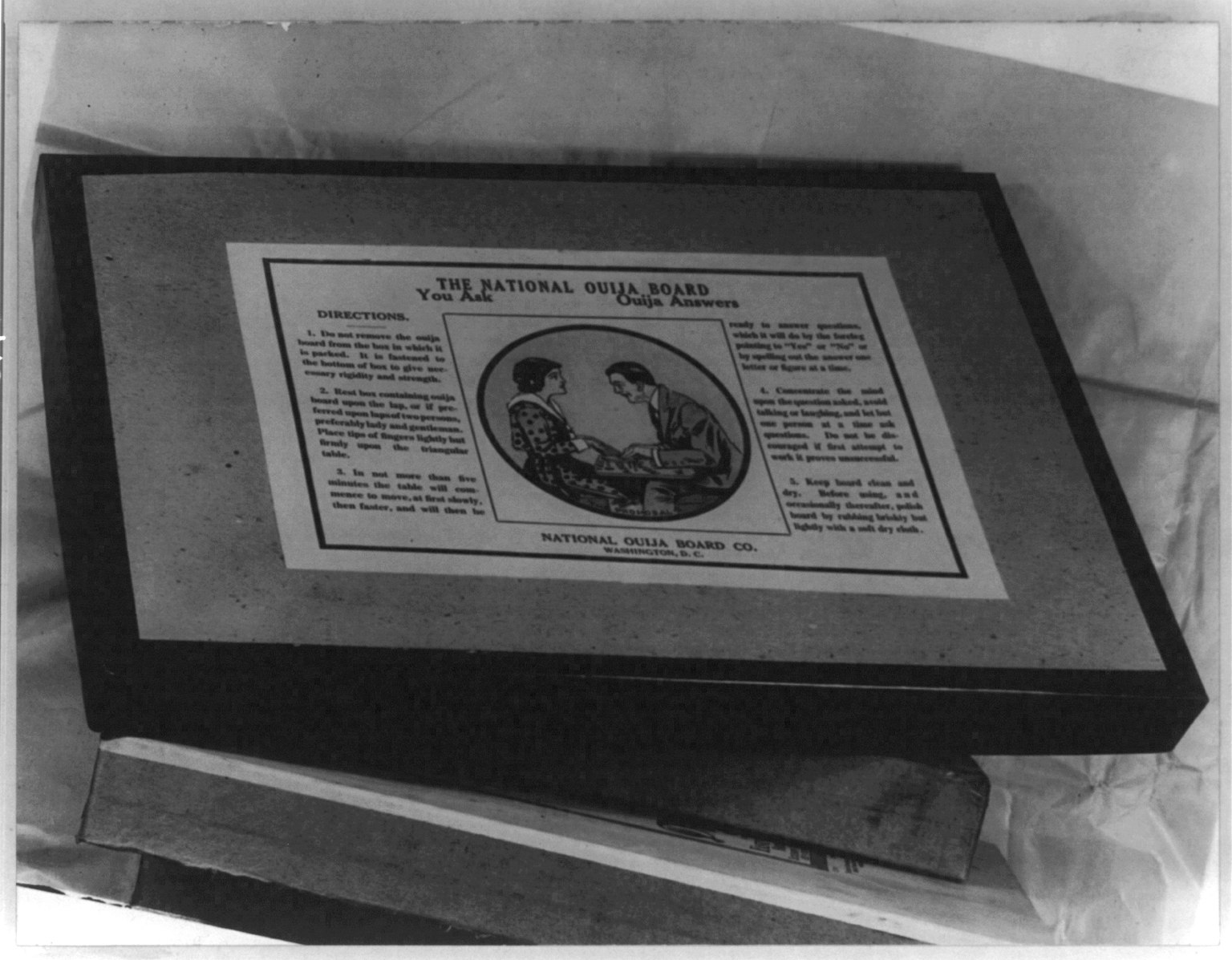
National Photo Company Collection / Library of Congress, via Wikimedia Commons (Public Domain)
Zozo is now one of the most commonly reported entities among people who use Ouija boards, described as an entity that introduces itself by spelling its own name, starts friendly, and turns hostile. It’s often presented online as an ancient demon with roots stretching back centuries. The traceable documentary record tells a much narrower story: a specific internet forum post from 2009, a single claimed historical reference that even its own original source treated with real skepticism, and a legend that spread almost entirely through the internet, not through any older, verifiable tradition.
An early commercial Ouija board. This is historical context for the object, not evidence for the modern Zozo claim. Source. National Photo Company Collection / Library of Congress, Public Domain.
Where the Modern Legend Actually Starts
The earliest clearly traceable account of Zozo comes from a man named Darren Evans, who posted his story to an online forum dedicated to true ghost stories on March 24, 2009. In Evans’s account, an entity calling itself Zozo first made contact during a Ouija board session, presenting itself as friendly before allegedly turning hostile toward him and his family, including claims involving his daughter’s health and safety. The post generated a large response, with many other Ouija users reporting what they described as similar or identical experiences. Evans later appeared on the television series Ghost Adventures and published a book about his experiences in 2016. The specific, personal, dateable nature of this origin point is itself informative: this isn’t a case of an entity with a long, continuous folkloric record — it’s a case of one detailed personal account from 2009 that a large number of later reports appear to be built around or shaped by.
The Disputed Historical Precedent
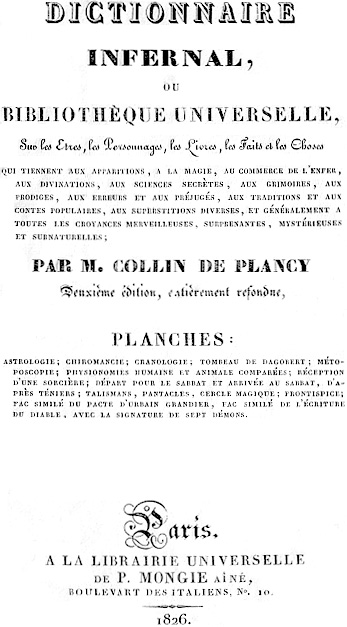
The most commonly cited claim for an older origin points to Le Dictionnaire Infernal, an 1816 French demonological encyclopedia by Jacques Auguste Simon Collin de Plancy, later reissued with additional material in later 19th-century editions. The claim holds that the book describes a girl possessed by three demons, one of them named Zozo. This reference is real, but it comes with a significant caveat that’s frequently dropped from modern retellings: Collin de Plancy himself, in his own text, expressed skepticism about the possession account, reportedly noting the girl involved had previously been caught making false claims of demonic possession. In other words, the one specific pre-internet source usually cited as proof of Zozo’s older pedigree is, by its own original author’s account, an already-doubted claim about a specific individual — not an established, credible demonological tradition. Some writers have also floated a loose etymological connection between “Zozo” and Pazuzu, the Mesopotamian demon associated with wind and disease, but this remains speculative wordplay rather than a documented historical link, and no serious source treats it as confirmed.
How the Legend Actually Spread
Reports describing Zozo increased sharply after Evans’s 2009 post, tracking closely with the growth of paranormal-focused internet forums, YouTube channels, and later horror media that picked up the name directly. The 2012 psychological thriller I Am Zozo drew explicitly on the online Zozo stories, and the entity’s name has continued to circulate through paranormal video content and social media in the years since, each retelling adding or reinforcing specific claimed details — the figure-eight motion often reported in the planchette before it allegedly starts spelling, the specific letter sequence Z-O-Z-O, and reported aliases like Zaza, Oz, or Mama. This pattern of a name and a specific, escalating set of behavioral details spreading and stabilizing through repeated retelling over a short, traceable timeframe is a hallmark of contemporary legend formation, not evidence of an ancient, continuously attested entity.
What Actually Explains the Experience
Ouija board movement itself has a well-documented, non-supernatural explanation: the ideomotor effect, in which small, involuntary muscle movements — made without conscious intent, often shaped by a strong expectation of a specific outcome — move the planchette. This isn’t speculation; it’s been directly tested in controlled studies, including research showing participants can produce accurate answers to questions they believe they don’t consciously know, while attributing the movement to something or someone else. A detailed breakdown of that research and how the ideomotor effect works is covered in our full Ouija board history and explainer. Once a specific named entity like Zozo becomes widely known and expected among a community of users, sessions naturally tend to produce that specific name and pattern more often — not because the entity is real, but because expectation directly shapes where an unconsciously guided planchette tends to go.
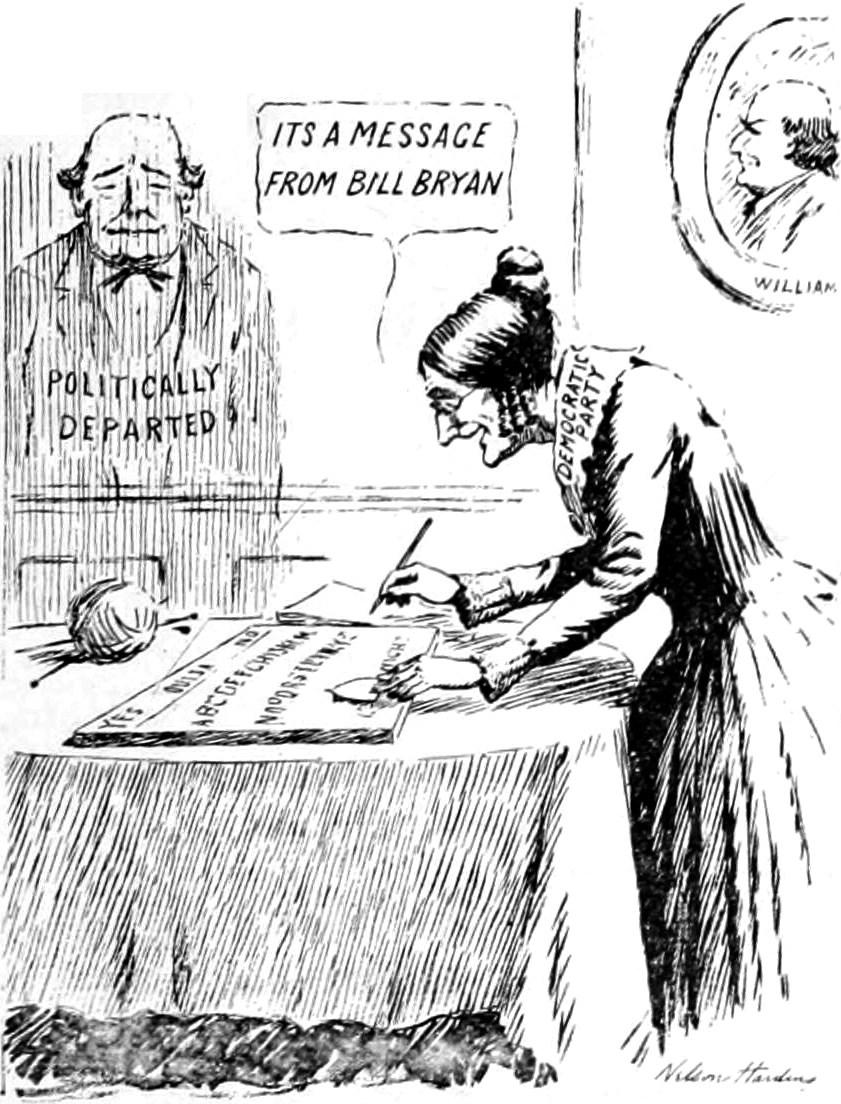
A historical cartoon of Ouija-board use. It documents the board’s long cultural life, not a supernatural mechanism. Source. Nelson Harding / Wikimedia Commons, Public Domain.
What’s Documented, What Isn’t
Documented: Darren Evans’s 2009 forum post and its role as the identifiable starting point for the modern, widely circulated version of the Zozo story; the sharp rise in similar reports afterward; the existence of a disputed reference to a demon named Zozo in an 1816 French text, explicitly flagged as doubtful by its own original author. Not documented: any credible, continuous demonological tradition connecting an entity actually named Zozo across the roughly two centuries between that disputed 1816 reference and Evans’s 2009 account, or any verified supernatural cause for the reported Ouija board sessions themselves.
Zozo fits a pattern that shows up repeatedly in modern paranormal folklore — a claim that gets presented as ancient and continuous, when the actual documentary trail is short, specific, and traceable to a much more recent, identifiable starting point. It’s the same dynamic behind cases like Slender Man, a legend with an even more precisely documented internet origin, and the Highgate Vampire, where a specific set of real events from a narrow historical window calcified into something treated as much older and more established than the record actually supports.
Frequently Asked Questions
Is Zozo a real demon? There’s no verified evidence of a supernatural entity. What’s documented is a specific 2009 internet account that most of the modern Zozo legend appears to trace back to, along with a disputed, centuries-old reference that even its original source treated skeptically.
Who started the Zozo legend? The earliest clearly traceable account comes from a man named Darren Evans, who posted his story to an online forum on March 24, 2009. Reports of similar experiences increased significantly after his post spread.
Is there historical evidence for Zozo predating 2009? The main claimed precedent is a reference in an 1816 French demonological text, but the specific possession account it describes was flagged as doubtful by the book’s own author. It’s not a credible, continuous historical tradition.
Why do so many people report the same Zozo experience? Ouija board movement is explained by the ideomotor effect, involuntary muscle movement shaped by expectation. Once a specific, well-known entity name and behavior pattern circulates widely, users’ sessions tend to reproduce that same expected pattern.
Is Zozo connected to the Ouija board franchise horror films? The 2012 film I Am Zozo was directly inspired by the online Zozo stories. It’s a work of horror fiction built on the internet legend, not a documentary account of it.

.jpg)