The Index / Paranormal
Palacio de Linares Ghost: What the 1990 Recordings Show
Recordings said to capture a ghost made Madrid’s Palacio de Linares famous in 1990. Compare the original reports with the palace’s documented history.
Topics: Palacio de Linares, Raimundita, Madrid, Hauntings, Paranormal Recordings
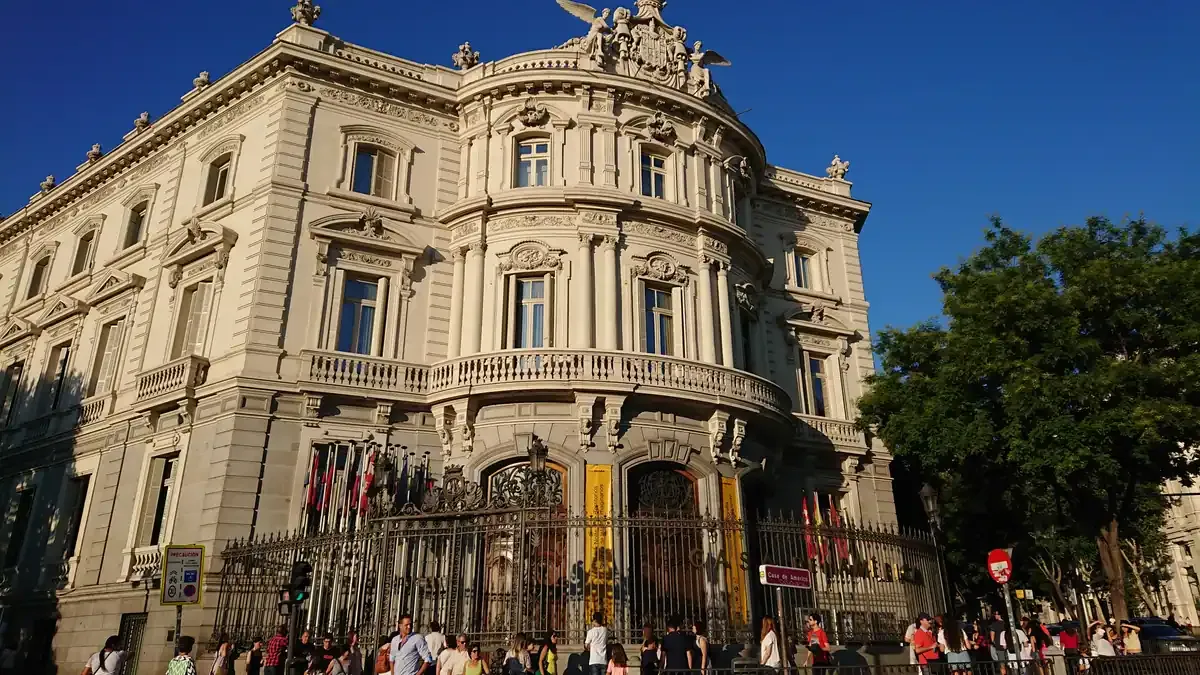
Heparina1985 / Wikimedia Commons / CC BY-SA 4.0. Resized under the same license.
In May 1990, a team made public recordings it attributed to ghosts at Madrid’s Palacio de Linares. Newspaper accounts document what the team said it recorded and how quickly those claims were challenged. The sounds did not establish who spoke, and the palace’s own history identifies the real Raimunda associated with the house as the owners’ goddaughter.
What was reported in May 1990?
On May 30, Pedro Montoliu reported in El País that psychiatrist Carmen Sánchez de Castro had led a group investigating the palace for more than a year. The group claimed it had recorded voices, music and sounds it identified as a child’s. One voice referred to a daughter named Raimunda. The voices sounded intelligible enough to appear in print as dialogue, even though the investigators had yet to establish who was speaking.
There was also a small test readers could assess separately from the audio. Sánchez de Castro’s report described 22 photographs with alleged patches of unexplained light. She handed the newspaper two color negatives, and its lab reported that its black-and-white prints showed none of the patches. Those two negatives could only speak to the photographs the newspaper received. The Enfield Poltergeist case poses a similar problem: photographs and recordings can document particular moments while leaving the cause of individual events open.
What did the second day of reporting establish?
On May 31, El País reported that Madrid’s urban planning department had allowed the group into the building, but municipal officials said they had never commissioned the investigation. Permission to enter the palace did not confer official approval on the findings. The same article described two different criticisms. Álvaro Fernández, of a Spanish skeptical association, asked for a repeat investigation in front of witnesses. Tristán Braker, a paranormal investigator, thought the audio had been assembled from several pieces and said one passage sounded like a recording his own group had made.
In 2024, RTVE reported a later account from author Álvaro Martín: a woman said to be a voice actor had reportedly told paranormal researcher Germán de Argumosa that she made the recordings. RTVE did not identify her. The 1990 criticisms and this later account raise separate questions about provenance. Neither supplies a verified account of how every clip was made. Borley Rectory: The Real History Behind England’s ‘Most Haunted House’ offers another case where later scrutiny changed how an investigator’s claims ought to be read.
Who was the real Raimunda?
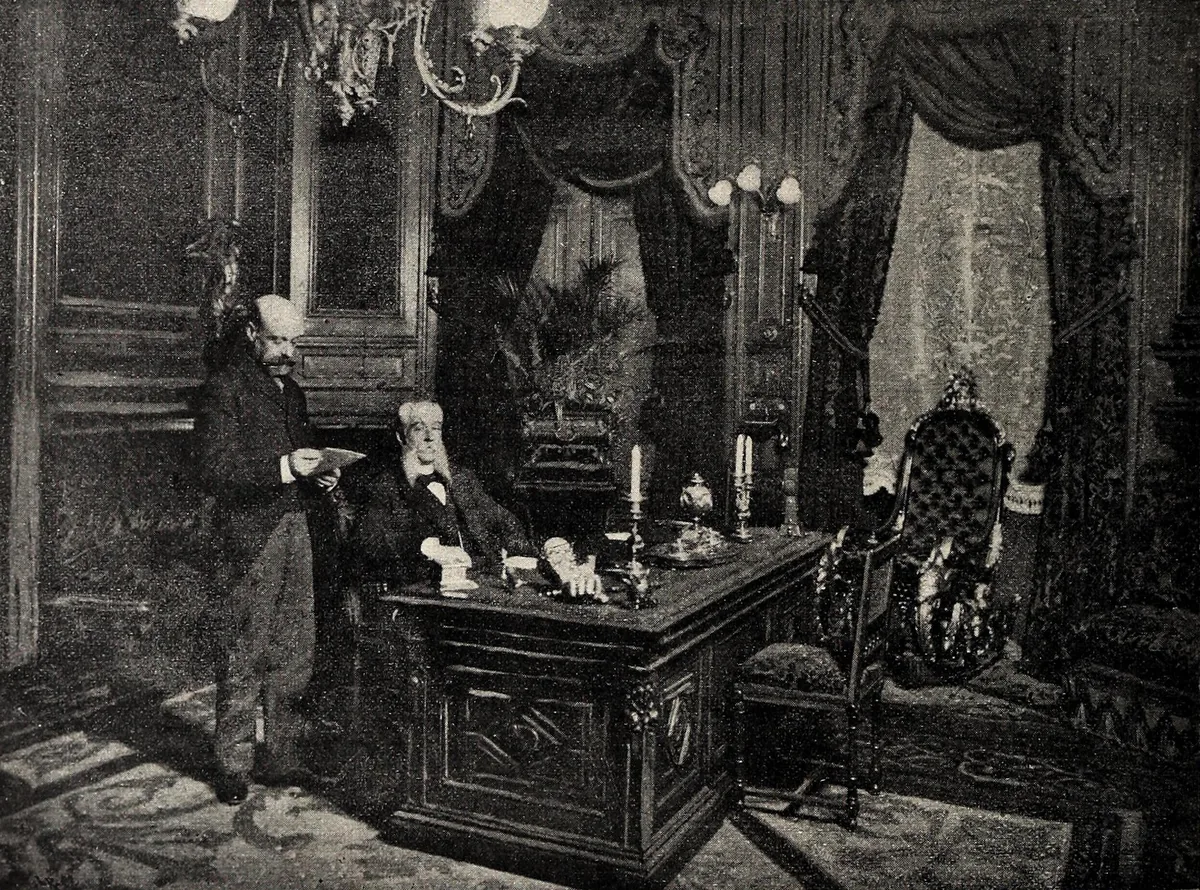
Casa de América’s history of the palace identifies its original residents as José de Murga y Reolid and Raimunda de Osorio y Ortega, the Marquises of Linares. Construction began in 1877, and they moved in in 1884 while work was still underway. The institution’s account says they had no direct descendants and left the palace to their goddaughter, Raimunda Avecilla, who was their administrator’s daughter.
That gives the name two documented associations with the house, the marchioness and her goddaughter. The figure called Raimundita in the ghost story is the supposed daughter of the couple. Versions of the legend give her different fates, and the sources for the palace’s history do not identify such a child. It is possible to trace a story about a named ghost in newspapers without finding a record of the person the story claims existed. The Cock Lane Ghost: What ‘Scratching Fanny’ Proved in 1762, and What It Didn’t shows how a different city turned purported spirit messages into a public event.
Why did the case return in 2026?
HBO Max’s Expediente Linares, released November 27, revisits the recordings and their reception. In an interview with EFE, director Israel del Santo described the attention the story received on Spanish television. EFE also interviewed Sol Blanco-Soler from Group Hepta, who recalled sounds that her group claimed to have captured during a separate inquiry. Her account concerns a different set of recordings and cannot authenticate the clips that drew headlines in May 1990.
The order matters. An existing legend gave listeners a way to interpret a voice. The recordings then helped spread the legend to people who had never set foot in the building. The archive lets readers see that exchange taking place over two days, with the objections right beside the original story.
Frequently asked questions
Was Raimundita a real child?
Raimundita is the name given to a child in the palace legend. Casa de América identifies Raimunda Avecilla as the owners’ goddaughter and heir. The historical sources cited here do not confirm the child or killing described in the legend.
Were the Palacio de Linares recordings faked?
Critics questioned the audio in May 1990, and RTVE later published an account that attributed the voices to an unnamed voice actor. Those reports undermine the claim that the tapes establish a haunting. They leave the origin of every individual sound unresolved.
What is the Palacio de Linares used for today?
It has housed Casa de América, a cultural institution on Madrid’s Plaza de Cibeles, since July 1992.
Hero photo: Heparina1985 / Wikimedia Commons, resized under CC BY-SA 4.0.Sources & further reading
- Casa de América, history of the Palacio de Linares
- Casa de América, the Marquises of Linares
- Pedro Montoliu, El País, 30 May 1990
- El País, challenges to the recording claims, 31 May 1990
- RTVE, Álvaro Martín on the reported confession, 12 September 2024
- HBO Max Press, Expediente Linares
- Agencia EFE, interviews with Israel del Santo and Sol Blanco-Soler, 27 November 2026